
REVIEW · LEEWARD MANGROVE CLEAR KAYAK TOURS
Mangrove Cay Tour
Mangrove Cay delivers wildlife fast. In about two hours, you get a close look at juvenile sea animals in the mangrove estuaries, and you also get strong birdwatching right from the water. The main thing to plan for is that this is still a water activity, so if you cannot kayak comfortably, you may find the longer paddle to the mangroves tough.
I like that the trip is built for a small group (up to 15) and that pickup is offered, so you are not stitching together your own transport before you even reach the water. One more practical note, sightings can change with the conditions, including tide, so set your expectations to wildlife viewing, not guarantees.
In This Review
- Key Things I’d Remember Before You Go
- First Stop: Mangrove Cay, Where the Water Changes Everything
- How the Trip Runs: Time on the Water Without a Long, Wandering Day
- Getting to the Wildlife: Transportation, Guides, and the Start of the Adventure
- Paddle and Wildlife Viewing: What You Actually Do in the Mangroves
- Wildlife Highlights You Can Plan Around (And What to Watch for)
- Birdwatching: The Bonus You’ll Be Glad You Notice
- Photos, Comfort, and the Practical Stuff That Makes or Breaks It
- Value Check: Is a $130 Two-Hour Mangrove Tour Worth It?
- Who Should Book This Mangrove Cay Tour?
- Should You Book Mangrove Cay Tour?
- FAQ
- FAQ
- How long is the Mangrove Cay Tour?
- Where does the tour take place?
- Is pickup included?
- What is the price per person?
- How many people are on the tour?
- What happens if weather is poor?
Key Things I’d Remember Before You Go
- Small group vibe: With a max of 15 travelers, it is easier for guides to spot animals and keep the group together.
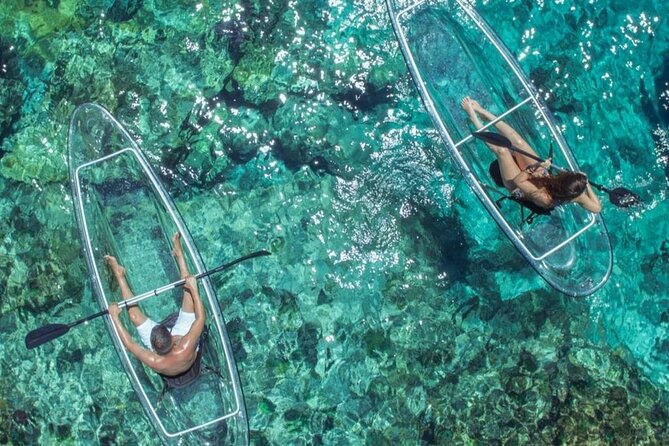
- Mangrove channels = real wildlife habitat: Expect estuaries full of hiding places where juvenile fish, turtles, and sharks can appear.
- Birdwatching while you float: Brown pelicans, herons, egrets, and American oystercatchers show up on the bird menu.
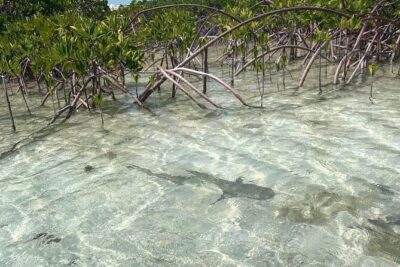
- Turtle and shark spotting is the headline: Juvenile lemon sharks and nurse sharks are part of what you might see.
- Clear-water moments for photos: Several guides focus on stopping when animals appear, giving you time to look and snap pictures.
- Most travelers can participate: That said, kayaking ability matters because you paddle out into the mangroves.
First Stop: Mangrove Cay, Where the Water Changes Everything
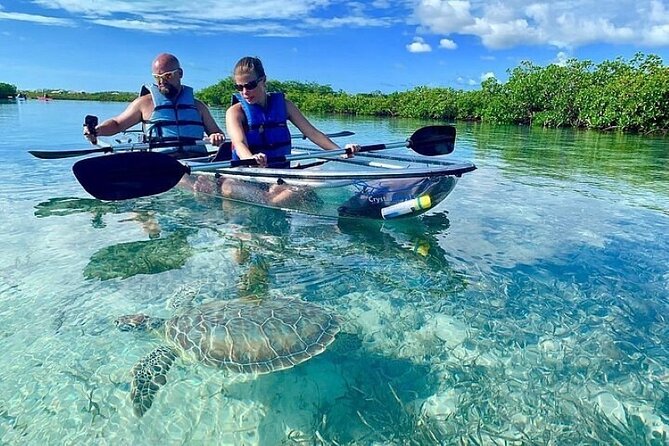
Mangrove Cay sits in that sweet spot where you can see marine life without needing scuba gear or a long expedition. The mangrove root systems act like a natural nursery. Fish and smaller animals hide in the roots and channels, and that is why predators and scavengers show up too.
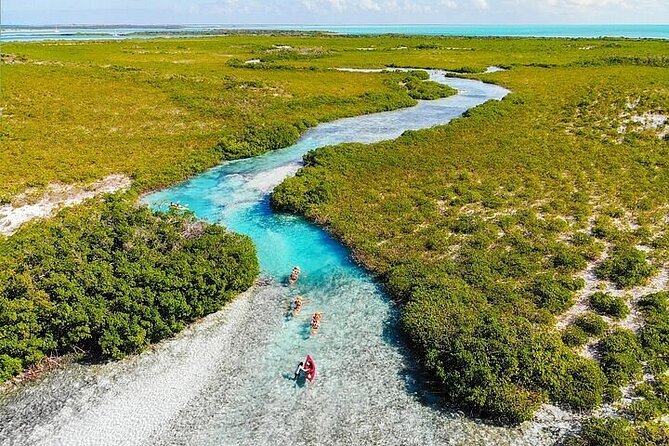
Your tour centers on the estuaries and channels around the cay. This matters because you are not just watching open water. You are moving through the shallow, sheltered edges where juvenile wildlife tends to linger. When you see a shadow, a head pop up, or a flash of movement, the mangroves are usually the reason it is there.
The wildlife list is the star of the show:
- juvenile lemon sharks and nurse sharks
- small turtles
- conch
- southern brown stingrays
- starfish and other juvenile fish
- jellyfish (including upside-down jellyfish sightings)
Even when you do not see an animal immediately, you often see signs of activity: fish darting into roots, the water shifting around a shallow channel, or birds tracking movement along the shoreline.
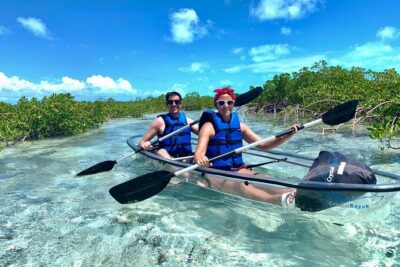
More clear kayak paddles through the Leeward mangroves
How the Trip Runs: Time on the Water Without a Long, Wandering Day
This is an approximately 2-hour experience, which is great if you have limited time on Providenciales or you want something that does not swallow your whole day. With a short duration, the key is staying mentally ready for quick wildlife moments. Animals can appear fast, then vanish into roots.
Pickup is offered, and you also use a mobile ticket. In practice, that usually means fewer hassles than older-style paper confirmations. Also, because the group is kept small, guides can move you along at a pace that fits spotting and safety.
One travel reality to remember: the tour requires good weather. If conditions are off, your day might shift, so try not to schedule back-to-back activities that leave no buffer.
Getting to the Wildlife: Transportation, Guides, and the Start of the Adventure
The strongest repeat theme here is that guides actively work the water, not just point you in a direction. Names that show up across trips include Yves, Marcus, Alvin, Innocent, Jean, Darlow, Cheese, Miracle, and Pelican Eyes. That variety is a good sign: you are not relying on one single person for the whole experience.
What you should expect is hands-on help with getting oriented quickly. Several people call out guides who:
- point out animals as they appear
- keep the group close so no one misses the good spots
- teach what you are looking at, like how mangroves function as nursery habitat
- prioritize safety while still letting you enjoy the moment
And yes, this is a place where you will spend real time looking down and scanning the water. Guides tend to be the difference between seeing nothing and spotting a turtle two minutes later.
Paddle and Wildlife Viewing: What You Actually Do in the Mangroves
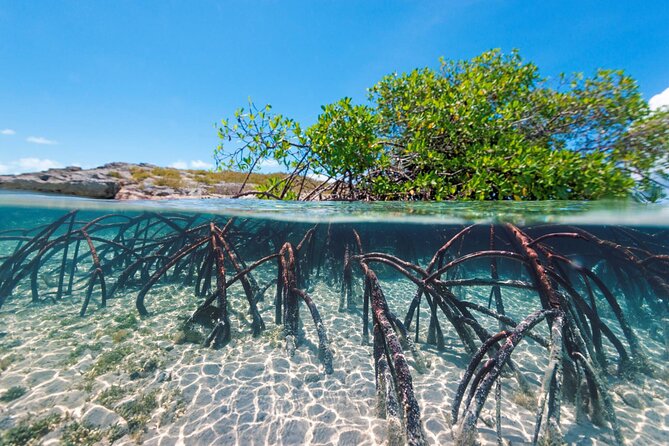
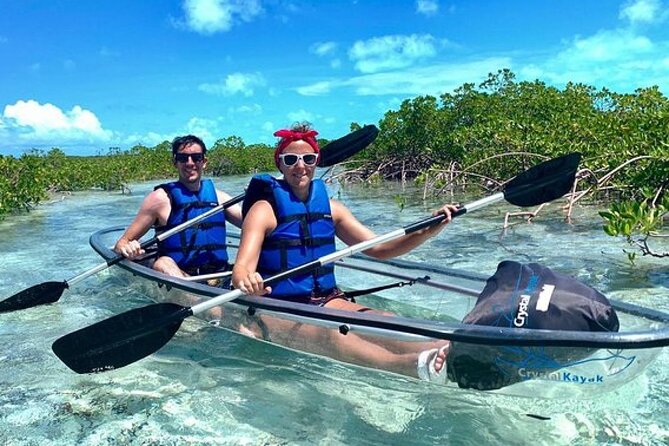
You will spend your time around the estuaries and channels where the roots create sheltered lanes. Many trips are structured with a water transport step first, then paddling. One common format described is starting with a clear glass boat, then getting to the mangrove area via a tow, and finally paddling the canals.
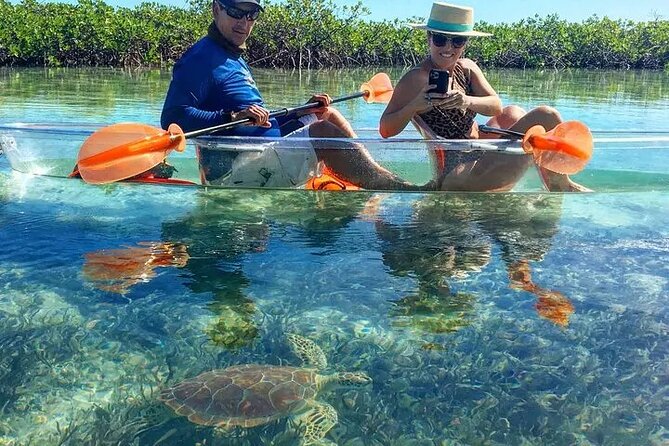
That clear-boat start matters because it sets you up for the main viewing area. Clear water plus shallow channels equals better visibility for wildlife, especially for small turtles and juvenile fish.
Paddling itself is typically straightforward for most people, but treat it as a real kayaking workout. You are in shallow water and moving through channels, not on a calm inland lake. You will also want to stay alert and avoid drifting away from the guide.
A caution from a less-perfect experience: one guest felt the outing was not a fit for very young kids or for people who could not kayak well. So if you are traveling with kids, make sure they can follow instructions and physically handle paddling time without needing constant help.
Wildlife Highlights You Can Plan Around (And What to Watch for)
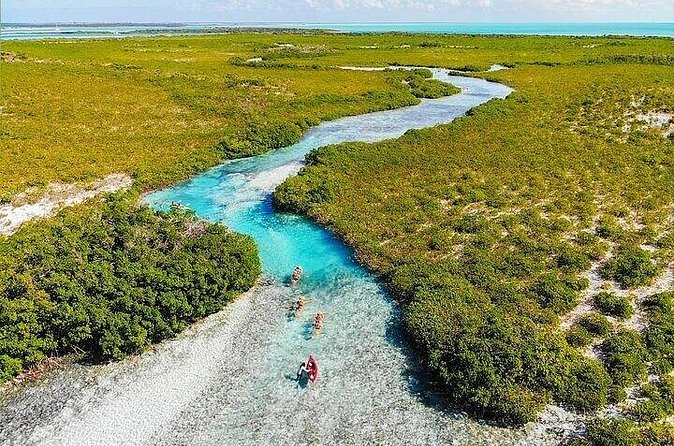
This is a wildlife-focused tour. So instead of thinking in terms of one big animal, think in terms of layers. Mangroves create a chain reaction. Smaller fish attract bigger fish, and movement attracts birds, rays, and sharks.
Here are the specific animals to keep on your mental radar:
- Turtles: People repeatedly mention spotting sea turtles, including moments where turtles pop their heads up for air. When you see one, look for nearby fish movement too.
- Lemon sharks and nurse sharks: Juvenile lemon sharks are mentioned often, plus nurse sharks. These are not like the deep-water shark encounters you may have imagined. They are part of the nursery ecosystem in the shallows.
- Jellyfish: Jellyfish are part of the expected mix, including upside-down jellyfish sightings. If you see tentacles or drifting shapes, do not panic. Just keep a respectful distance and follow your guide’s lead.
- Conch: Conch are mentioned as something you can spot, and on at least some trips you may get hands-on time holding live conch. That is a memorable experience, but handle with care and only when your guide says it is appropriate.
- Stingrays and starfish: Southern brown stingrays and starfish are called out. If visibility is clear, you can often pick these out near shallow edges and in calmer pockets.
One more tip that comes up in the real world: if the tide is low, you might see less in some spots. That does not make the tour bad, but it can reduce how much you spot in certain channels. The upside is that calm, clear water can still make the experience beautiful even when wildlife sightings vary.
- 4hour Group Half Day Snorkeling Excursion in Grace Bay
★ 5.0 · 2,614 reviews - 4-Hour Catamaran Sail and Snorkel Tour from Grace Bay
★ 5.0 · 1,465 reviews - Morning Half Day Cruise from Providenciales with Snorkeling and Iguana Island
★ 4.5 · 1,222 reviews - 2 Hour Champagne Sunset Cruise from Grace Bay, Providenciales (Adult Only)
★ 5.0 · 1,010 reviews - Mangrove Clear Kayak Tour
★ 5.0 · 794 reviews
Birdwatching: The Bonus You’ll Be Glad You Notice
Mangroves are not just for sea life. Birds use these areas too. If you like birdwatching, this part can surprise you.
Expect birds such as:
- brown pelicans
- green herons
- tricolored herons
- reddish egrets
- American oystercatchers
Here is how to make birdwatching work for you on the water: when you spot one bird, scan the shoreline and the nearest channel edges. Birds are often tracking feeding activity, which tends to correlate with movement in the water.
Also, if the day is overcast, do not assume it is a wash. Several people report that even on less-bright days, the experience still feels fantastic because the wildlife and the clear-water viewing carry it.
Photos, Comfort, and the Practical Stuff That Makes or Breaks It
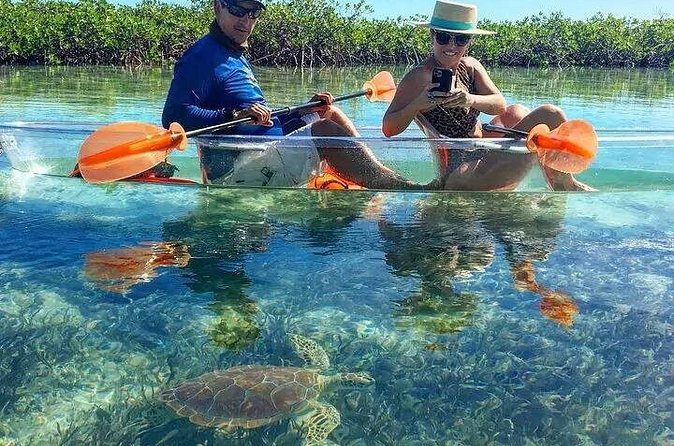
You will get chances for pictures, but do not treat this like a long sightseeing walk where you can stop whenever you want. Animals appear in short windows, and your guide will likely pause when sightings happen.
A few practical pointers:
- Bring a plan for sun and water. Even if the day feels mild, you are on reflective shallow water.
- Stay close to the group. When you drift, you miss sightings, and you will slow everyone down.
- Be ready for active spotting. You will likely look left, look right, and scan down, then up for birds.
One small caution from real comments: the app or messaging can be confusing on timing if messages conflict. The fix is simple. Double-check your pickup time the day before and keep your phone ready for any updates.
Value Check: Is a $130 Two-Hour Mangrove Tour Worth It?
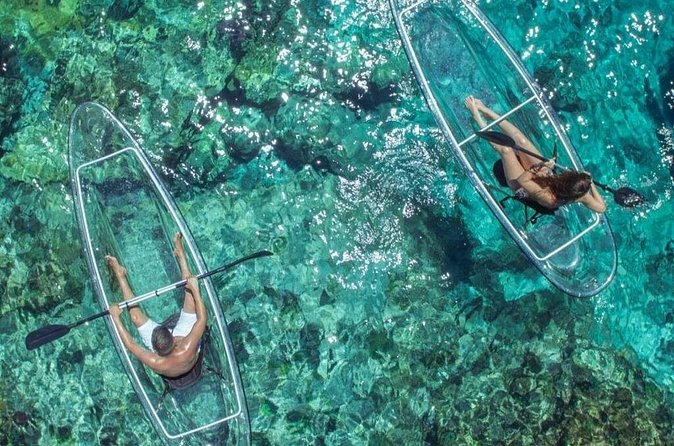
At $130 per person for an approximately 2-hour outing, the value depends on two things: how much you care about wildlife, and whether you want guided help to actually find it.
This trip tends to deliver because:
- the habitat is built for spotting juvenile marine life in shallow, sheltered channels
- guides actively point out animals, not just general scenery
- the group size stays small, which increases your odds of seeing the good stuff
- pickup removes a chunk of hassle for staying in Providenciales
If you are the type who loves animals and wants something more active than a beach day, this is a strong fit. If you hate boats or paddling, you may want to pick a different style of tour.
Who Should Book This Mangrove Cay Tour?
This tour is ideal if you want:
- wildlife viewing that is close-up and hands-on in a respectful way
- a short outing that fits into a busy Turks and Caicos schedule
- a guide-led experience where you get explanations while you watch turtles, sharks, conch, and more
It is also a good family choice for many ages because most travelers can participate. That said, choose your comfort level honestly. If your group includes young kids or anyone who struggles with kayaking, consider whether they can handle paddling time and staying with the guide.
Should You Book Mangrove Cay Tour?
I think you should book it if you are excited by mangrove ecosystems and you like the idea of spotting turtles, juvenile sharks, jellyfish, conch, and rays in shallow water. The small group setup and the guide focus on pointing out wildlife are the big reasons this tour repeatedly lands at a 4.8 rating with high recommendation.
Skip it or rethink it if kayaking is a problem for your group. One not-so-great experience came down to pacing and keeping up, which can affect what you see and how the tour feels.
FAQ
FAQ
How long is the Mangrove Cay Tour?
It runs for about 2 hours.
Where does the tour take place?
The tour is in Providenciales, Turks and Caicos, with the main stop at Mangrove Cay.
Is pickup included?
Pickup is offered.
What is the price per person?
The price is $130.00 per person.
How many people are on the tour?
This activity has a maximum of 15 travelers.
What happens if weather is poor?
The experience requires good weather. If it is canceled due to poor weather, you will be offered a different date or a full refund.
More Island Tours We Have Written Up
- 4hour Group Half Day Snorkeling Excursion in Grace Bay★ 5.0 · 2,614 reviews
- 4-Hour Catamaran Sail and Snorkel Tour from Grace Bay★ 5.0 · 1,465 reviews
- Love Buggy Island Tour with Lunch★ 5.0 · 1,242 reviews
- Mangrove Clear Kayak Tour★ 5.0 · 794 reviews
More Turks and Caicos Reviews
- 4hour Group Half Day Snorkeling Excursion in Grace Bay★ 5.0 · 2,614 reviews
- 4-Hour Catamaran Sail and Snorkel Tour from Grace Bay★ 5.0 · 1,465 reviews
- Love Buggy Island Tour with Lunch★ 5.0 · 1,242 reviews
- Morning Half Day Cruise from Providenciales with Snorkeling and Iguana Island★ 4.5 · 1,222 reviews
More Clear Kayaking in the Leeward Mangroves
- Mangrove Clear Kayak Tour★ 5.0 · 794 reviews
- Mangrove & Iguana Clear Kayak Tour★ 5.0 · 507 reviews
- Kayak Eco Tour★ 5.0 · 245 reviews
- Clear Kayak Photoshoot in Turks and Caicos Islands Providenciales★ 4.5 · 221 reviews
Not quite it? More of the islands we have written up


Leeward Mangrove Clear Kayak Tours, compared.
 ★ 5.0Mangrove Clear Kayak TourFrom $125794 reviews
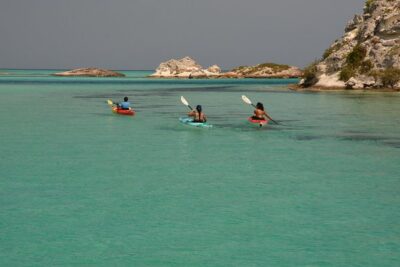
 ★ 5.0Mangrove & Iguana Clear Kayak TourFrom $155507 reviews
 ★ 5.0Kayak Eco TourFrom $296245 reviews
 ★ 4.5Clear Kayak Photoshoot in Turks and Caicos Islands ProvidencialesFrom $139221 reviews
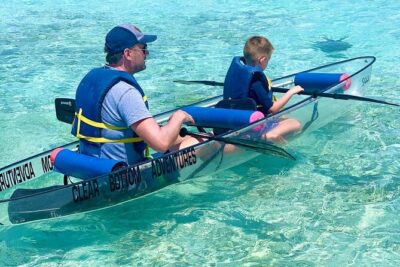 ★ 4.5Clear Bottom Kayaks Mangrove TourFrom $125217 reviews
★ 4.5Clear Kayak Photoshoot in Turks and Caicos Islands ProvidencialesFrom $139164 reviews
★ 4.5Clear Bottom Kayaks Mangrove TourFrom $125217 reviews
★ 4.5Clear Kayak Photoshoot in Turks and Caicos Islands ProvidencialesFrom $139164 reviews
 ★ 5.0Turtle Eco Tour on Stand-Up Paddleboards or Kayaks into the National Marine ParkFrom $156130 reviews
 ★ 4.5Clear kayak Drone photoshootFrom $155119 reviews
Browse the lists this tour appears in